To fully test the abilities of a given motherboard, we have used a blend of synthetic and custom ‘real-world’ benchmarks. Be they work/office orientated or home/gaming orientated, all play a role in providing as clear and concise a picture of exactly what a given motherboard has to offer potential buyers.
All games were patched to their latest version. The OS was a fresh, clean install of Windows 11 with all the latest hotfixes, patches, and updates applied. All games were tested at the most popular resolution of 1080P (1920×1080) and ran a minimum of 4 times. Before testing, Unigine’s Valley benchmark was run for 15 minutes to ‘warm up’ the video card. This was done to ensure that long-term performance and not short-term performance is being illustrated.
The applications and games used for testing were:
3DMark
Assassin’s Creed: Valhalla
Adobe Premiere Pro
Adobe Photoshop
Blender
Borderlands 3
Cinebench R20
Cinebench R23
CPU-Z
Counter-Strike: Global Offensive
DaVinci Resolve Studio
Handbrake
Metro: Exodus
OpenSCAD
POV-Ray
Red Dead Redemption 2
SolidWorks
TrueCrypt
Watch Dogs: Legion
Witcher 3
x264 HD Benchmark
The Ryzen 9000-series Testbed:
• Windows 11
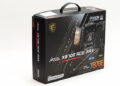
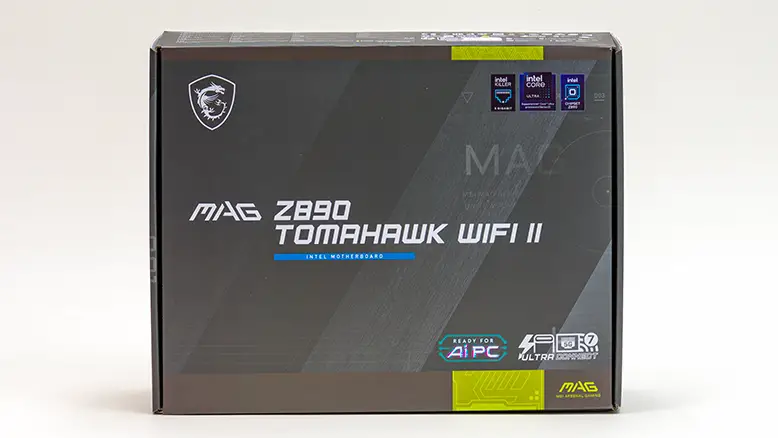
• Motherboard: MSI MAG Z890 Tomahawk WiFi II
• CPU: Intel Core Ultra 200S Plus (various)
• RAM: 32GB (16GBx2) G.Skill Trident Z5 DDR5-7200
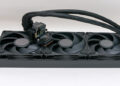
• Cooling: Artic Liquid Freezer III 420 w/ 3 fans
• Video Card(s): ASUS TUF GeForce RTX 3090Ti
• SSD: 1x Crucial MX500 1TB
• Power Supply: Corsair AX860i
Whether this added heat in return for a bit more performance makes sense to you and your needs is not.