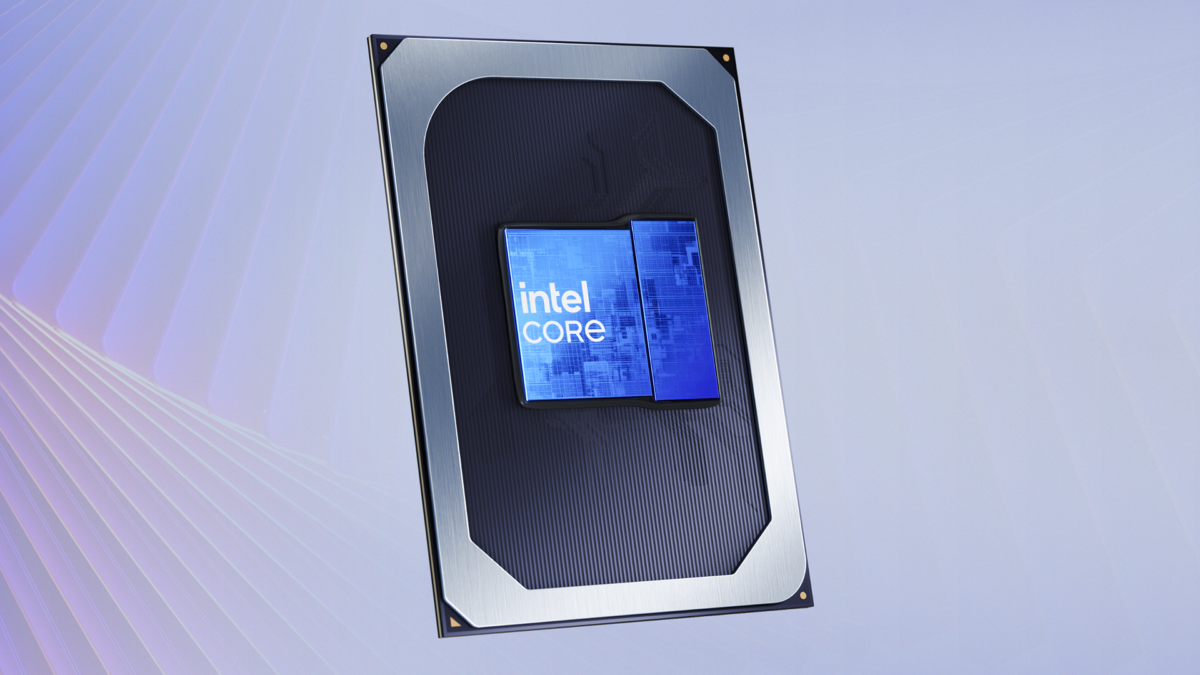
Intel is back at it again, but this time the focus isn’t halo products or bleeding-edge enthusiast silicon. Instead, the company is taking aim at the massive, often overlooked middle of the market with its newly announced Core Series 3 processors, chips designed to redefine what “entry-level” and “mainstream” PCs are capable of in 2026.
And honestly? This isn’t just a routine refresh.
Not Your Typical Budget Tier
Intel’s Core Series 3 lineup is positioned as the backbone of everyday computing, think office desktops, student laptops, and general-purpose home systems. Historically, this tier has been where compromises live. Lower clocks, fewer cores, and just enough performance to “get by.”
Intel clearly wants to change that narrative.
The new Series 3 chips bring a noticeable uplift in responsiveness, multitasking capability, and efficiency. While Intel isn’t pretending these are workstation-class CPUs, they’re pushing the idea that basic PCs shouldn’t feel basic anymore.
AI Creeping Further Down the Stack
One of the more interesting angles here is Intel continuing to trickle AI capabilities into lower-tier products. Features that were once exclusive to higher-end Core Ultra parts are now making their way into more affordable systems.
That matters more than it sounds.
As more everyday applications lean on AI-assisted features, whether it’s background noise removal, productivity tools, or OS-level enhancements, having that capability baked into budget-friendly silicon becomes less of a luxury and more of a requirement.
Intel seems well aware of that shift.
Efficiency Is the Real Story
Performance gains are nice, but the bigger win here is efficiency. These chips are built to deliver better performance per watt, which directly translates to quieter systems, longer battery life, and less thermal overhead in compact designs.
For OEMs, that opens up flexibility in system design. For users, it just means a smoother experience without the usual trade-offs.
OEM Scale Play
Intel also emphasized that these processors will land across a wide range of designs. That’s not surprising; this is exactly the segment where volume matters most.
Expect to see Core Series 3 powering everything from budget laptops to enterprise fleets. And if Intel executes properly, these systems shouldn’t feel like the “cheap option” anymore.
RHR Take
Let’s be real, this isn’t the kind of launch that gets enthusiasts hyped. There are no massive core counts, no flagship benchmarks, no “world’s fastest” claims.
But it might actually matter more.
If Intel can genuinely elevate baseline performance across millions of PCs, that has a bigger real-world impact than another 5% gain at the high end. The average user doesn’t care about Cinebench scores; they care about whether their system feels fast, responsive, and modern.
And for once, Intel seems to be designing specifically for that.